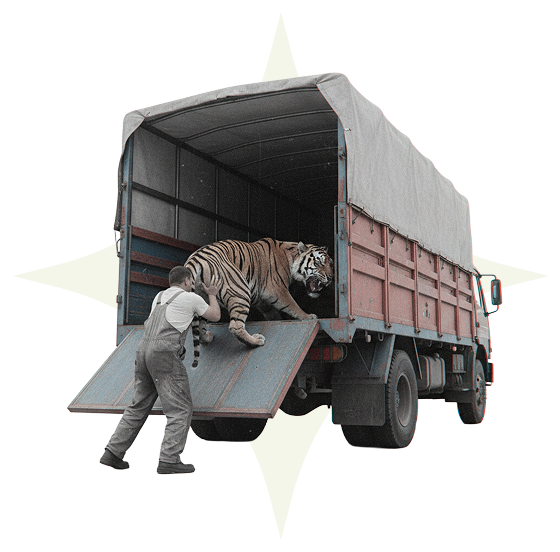


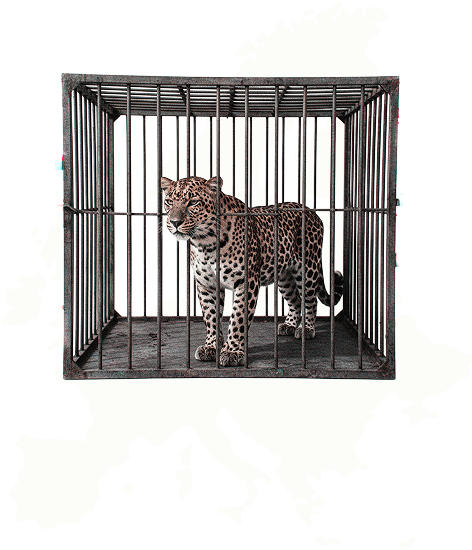









Animals die in transit.
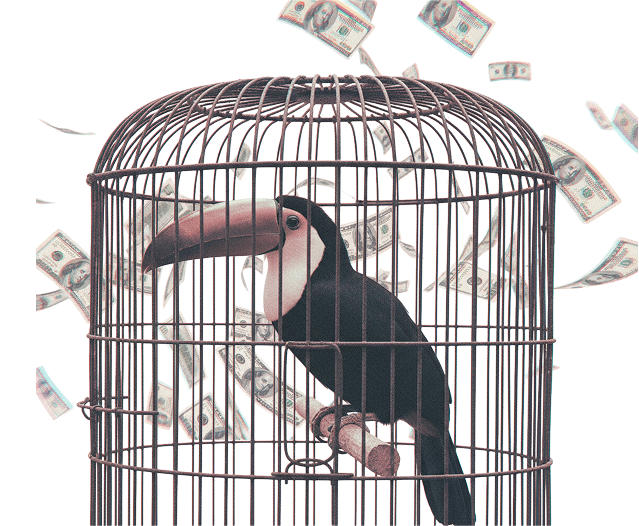
The death rate of birds during the shipment can reach up to half of the smuggled livestock, according to Europol.
Animals can escape
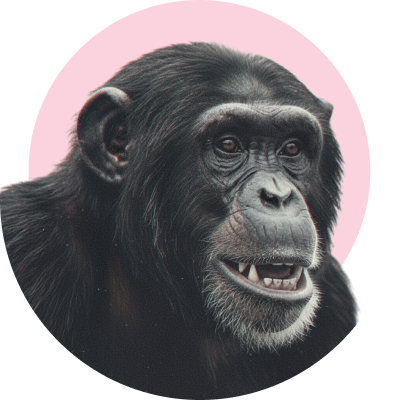
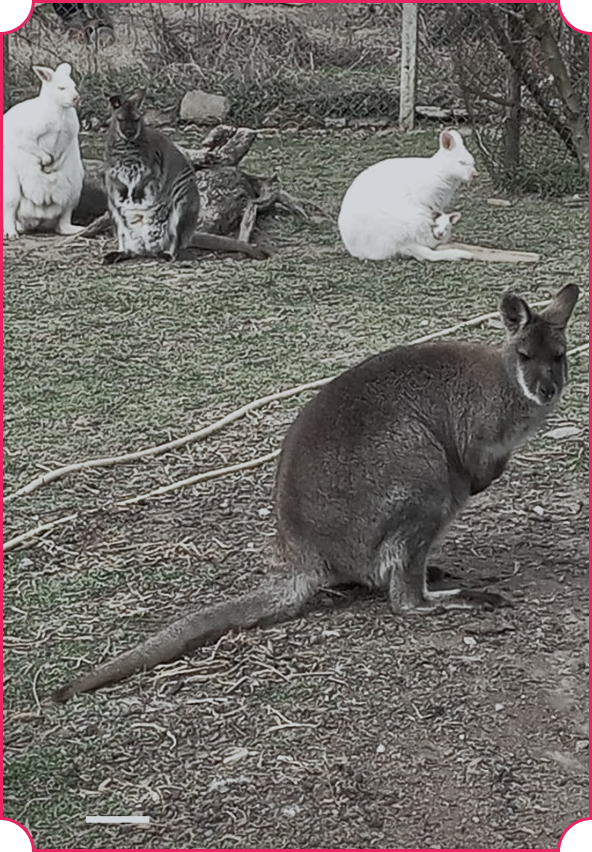
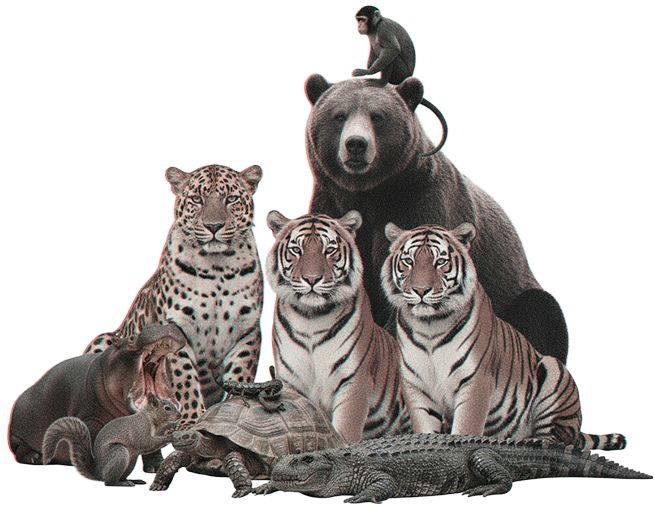
In recent years, lions and kangaroos have escaped from private zoos in Romania, hippos and lions in Montenegro, and chimpanzees in Malta.
Animals can spread diseases
14.47% of vets had clients who reported that keeping an exotic animal had an impact on their family's health, according to a 2016 survey by Nancy De Briyne and Despoina Iatridou. Bites and parrot fever were the main problems.
One in seven exotic pets rescued by European animal welfare NGO Animals Assistance and Protection (AAP) carried at least one potentially dangerous zoonotic pathogen.
Invasive animals can threaten the environment
The EU prohibits keeping, selling, breeding or releasing 65 invasive animals that threaten indigenous fauna and ecosystems.
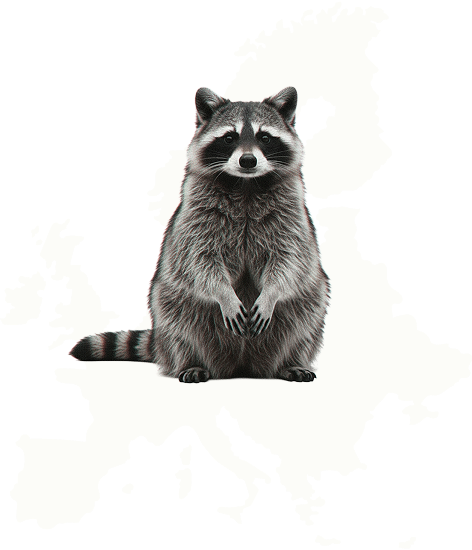
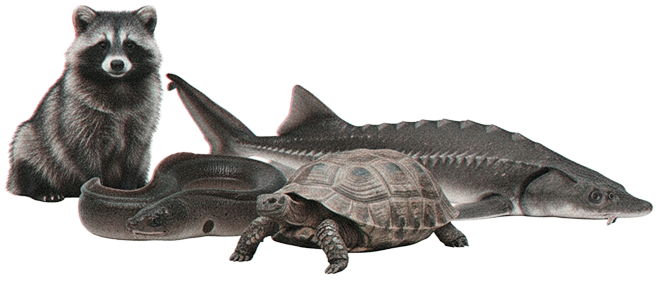
Despite this, raccoons, raccoon dogs, coati and squirrels remain on sale in Europe. American raccoons have caused ecosystem destruction and damaged rural businesses in Luxembourg and Germany, and NGOs fear they could spread further east.
Animals endangered in wild are used as breeding machines
Breeders of large mammals take away cubs from their mothers at the weaning stage, which means the mothers can return to a fertile state, and breed again. Separating a cub from its mother in the first few weeks of its life is a form of abuse, argue experts in the domain.
Animals are used for their bi-products
Animals can have value as a skin to be stuffed as a trophy or laid out on a floor. Prices for these products can reach into the thousands and can be even higher than for the animals themselves, which could lead to a market for breeding big cats for their skin.
Animals are used for food
Protected animals in Europe are used for food, such as European eels in east Asia and sturgeon in Romania. Europe also rears a lot of tigers and their remains can be sold on to the Chinese market, for use in traditional medicine.
Animals can hurt owners, visitors, other animals and themselves
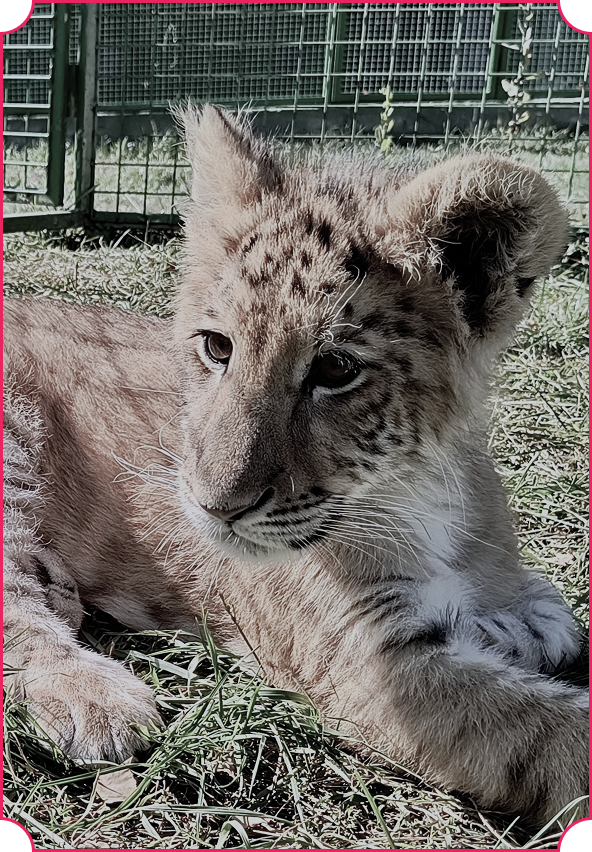
In 2019, the owner of two lions in an illegal backyard zoo in the Czech Republic, Michal Prasek, was mauled to death by one of his felines. In a private “contact” zoo in Romania, Noah’s Ark, squirrels, macaques and a lion-tiger hybrid all bit the visitors in summer 2025, causing a media panic that led to the zoo closing down to the public.
Ecological disaster
European demand for exotic animals exacerbates the extinction of endangered species in the Global South, especially mammals, breaking down ecosystems and contributing to climate change.
Around 90 percent of traded reptile species and half of traded individual specimens are captured from the wild.
Boosting criminality
Animal traffic allows criminals to diversify from trading in people and drugs to a product that offers high returns and low risk of prosecution